 TPM
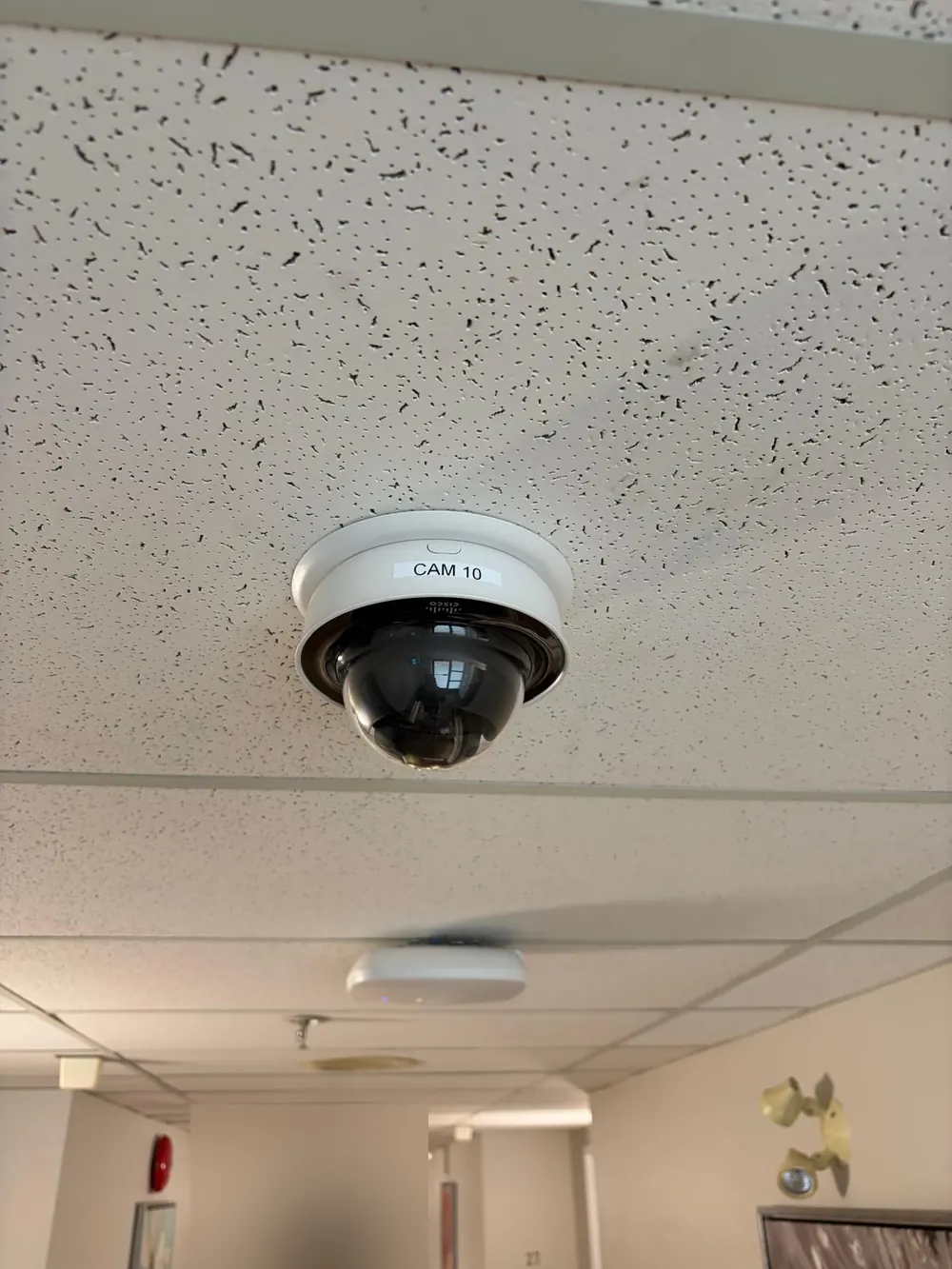
Cameras are one of the most effective security tools a business or strata can have. In British Columbia, they also come with responsibilities. Video of identifiable people is personal information, and private organisations in BC, including businesses and strata corporations, are covered by the Personal Information Protection Act (PIPA). Here’s what that usually means in practice.
This is a general overview, not legal advice. For your specific situation, check the guidance from the Office of the Information and Privacy Commissioner for BC, or speak with a lawyer.
Have a clear purpose
Start by writing down why each camera is there: deterring break-ins at the back door, investigating parcel thefts in the mail room, protecting staff at the till. A specific purpose guides where the camera points and helps show the surveillance is reasonable.
Collect only what you need
- Aim cameras at the area you need to protect, not at places where people expect privacy, such as washrooms or change rooms.
- Use privacy masking to black out neighbours’ windows and areas outside your property.
- Avoid recording audio unless you have a strong reason; it’s far more intrusive than video.
Tell people
Post clear signs at entrances to areas under video surveillance. A good sign says that cameras are in use, why, and who to contact with questions.
Keep footage only as long as needed
Set the recorder to overwrite automatically after a fixed period that fits your purpose. Keep a clip longer only when it’s needed for an incident or investigation, and document why.
Limit who can see it
Give viewing access only to the people who need it, each with their own login, and keep the recorder in a locked space. For stratas, the council should agree on who may view footage and how requests are handled.
Employees and the workplace
Cameras in a workplace also capture employees. Surveillance should be reasonable for a legitimate purpose, and staff should be told about it. Continuous monitoring of individual employees is much harder to justify than cameras at entrances or the till.
Requests to see footage
Under PIPA, people generally have a right to request access to their own personal information, which can include video of themselves. Have a simple process for handling these requests, including how to protect other people who appear in the same footage.
A short checklist
- A written purpose for each camera
- Cameras aimed and masked to avoid unnecessary areas
- Signs posted
- A fixed retention period set in the recorder
- Named people with viewing access, each with their own login
- A process for requests to view or copy footage